Understanding Algae's Impact on Livestock and Sustainable Farming
Maintaining clean, safe water sources for livestock is paramount for successful and sustainable farming. Algae, however, poses a significant threat. These unsightly growths not only reduce water palatability, leading to decreased water intake and potentially impacting animal health, but some algae species also produce toxins harmful to livestock. This can lead to illness, reduced productivity, and increased veterinary costs, undermining the economic viability of your operation. Therefore, effective algae control is crucial for both animal welfare and sustainable agricultural practices. For more information on supplies, check out Tractor Supply.
Chlorine Tablets from Tractor Supply: A Practical Solution
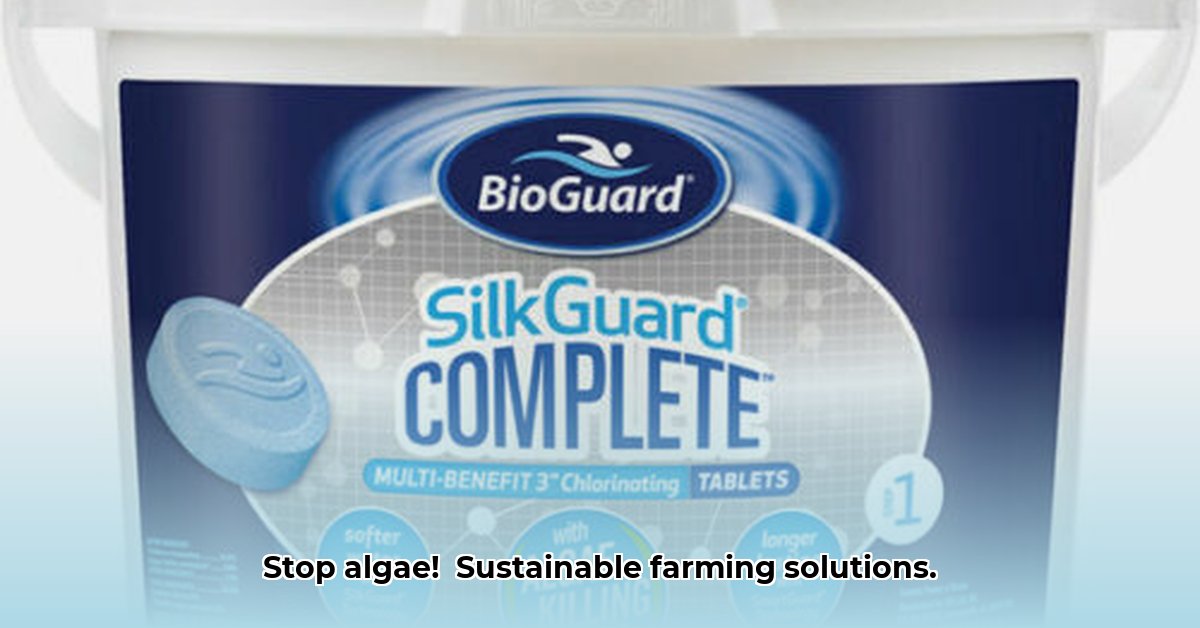
Chlorine tablets, readily available at Tractor Supply, offer a convenient and cost-effective method for managing algae in livestock watering sources, particularly smaller tanks and troughs. These tablets release chlorine, a powerful disinfectant that effectively kills algae and many bacteria. Their ease of use makes them a popular choice for farmers facing sudden algae outbreaks. However, it's crucial to remember that chlorine tablets address the symptoms, not the underlying causes of algae growth.
When to Use Chlorine Tablets
Chlorine tablets are most effective for treating smaller water sources like individual livestock troughs or relatively small tanks. Their affordability and ease of application make them an ideal quick fix for unexpected algae blooms. However, for larger ponds or reservoirs, more comprehensive solutions, including mechanical methods or biological controls, may prove more efficient and cost-effective in the long run.
A Step-by-Step Guide to Using Chlorine Tablets Safely and Effectively
Using chlorine tablets correctly is essential for both their effectiveness and the safety of your animals and the environment. Follow these steps diligently:
- Assess Water Volume: Accurately measure the volume of water in your trough or tank. This is crucial for determining the correct dosage to effectively eliminate algae.
- Check Tablet Concentration: Carefully read the label on your chlorine tablets. The concentration of chlorine varies among products. Follow the manufacturer's instructions precisely, as using too much chlorine can harm livestock and the environment.
- Calculate Dosage: Based on the water volume and tablet concentration, calculate the required number of tablets using the manufacturer's recommendations. Never exceed the recommended dosage.
- Pre-Dissolution: Dissolve the tablets in a small container of water before adding them to the livestock’s water. This prevents immediate exposure to high chlorine concentrations, reducing the potential for health issues in your animals.
- Even Distribution: Gently distribute the dissolved chlorine solution across the entire water surface to ensure even disinfection.
- Monitoring and Adjustment: After treatment, closely monitor the water clarity, and observe your animals' behavior. If the algae returns quickly, consider adjusting the dosage or investigating underlying nutrient issues contributing to algae growth.
- Safety Measures: Always wear appropriate protective gear, such as gloves and eye protection, when handling chlorine tablets. Store tablets in a safe, dry place, out of reach of children and animals. Dispose of empty containers properly.
"Accurate dosage is key," advises Dr. Emily Carter, Veterinarian at the University of Agricultural Sciences. "Overuse can be harmful, while underdosing is ineffective. Always follow the manufacturer's instructions carefully."
Pros and Cons of Using Chlorine Tablets
| Feature | Pros | Cons |
|---|---|---|
| Effectiveness | Rapidly kills algae and some bacteria in smaller water sources. | May not be effective against all types of algae; results vary with conditions. |
| Cost | Relatively inexpensive, especially for small-scale applications. | Requires repeat applications, leading to ongoing costs. |
| Ease of Application | Simple to use, requiring minimal technical expertise. | Requires careful measurement and handling to avoid accidents. |
| Environmental Impact | Relatively low long-term environmental impact when used correctly. | Chlorine can temporarily impact water quality; over-application is harmful. |
| Sustainability | Not a long-term sustainable solution; addresses symptoms, not the root cause. | Doesn't prevent future algae growth; should be part of an integrated approach. |
A Sustainable Approach to Algae Management: Beyond Chlorine Tablets
While chlorine tablets provide a quick, effective treatment for algae, they should not be your sole approach to algae management. For sustainable, long-term algae control, a more holistic strategy is necessary. This includes:
- Improving Water Circulation: Adding a fountain or aerator increases oxygen levels, hindering algae growth.
- Nutrient Management: Reducing fertilizer runoff into water sources minimizes nutrient availability, thus reducing algae growth potential. Proper grazing management can also play a role.
- Biological Controls: Exploring the use of beneficial microorganisms that naturally suppress algae, such as certain bacteria, can be a powerful sustainable technique. Further research on alternative methods such as barley straw is encouraged due to its sustainable and potentially very efficient nature.
- Regular Cleaning: Routine cleaning of troughs and tanks removes organic matter that fuels algae growth.
By combining the benefits of chlorine tablets as a short-term solution with these longer-term sustainable practices, you create a more robust and environmentally responsible approach to algae management. Effective algae management is a crucial component of sustainable livestock farming, ensuring both animal health and environmental stewardship.